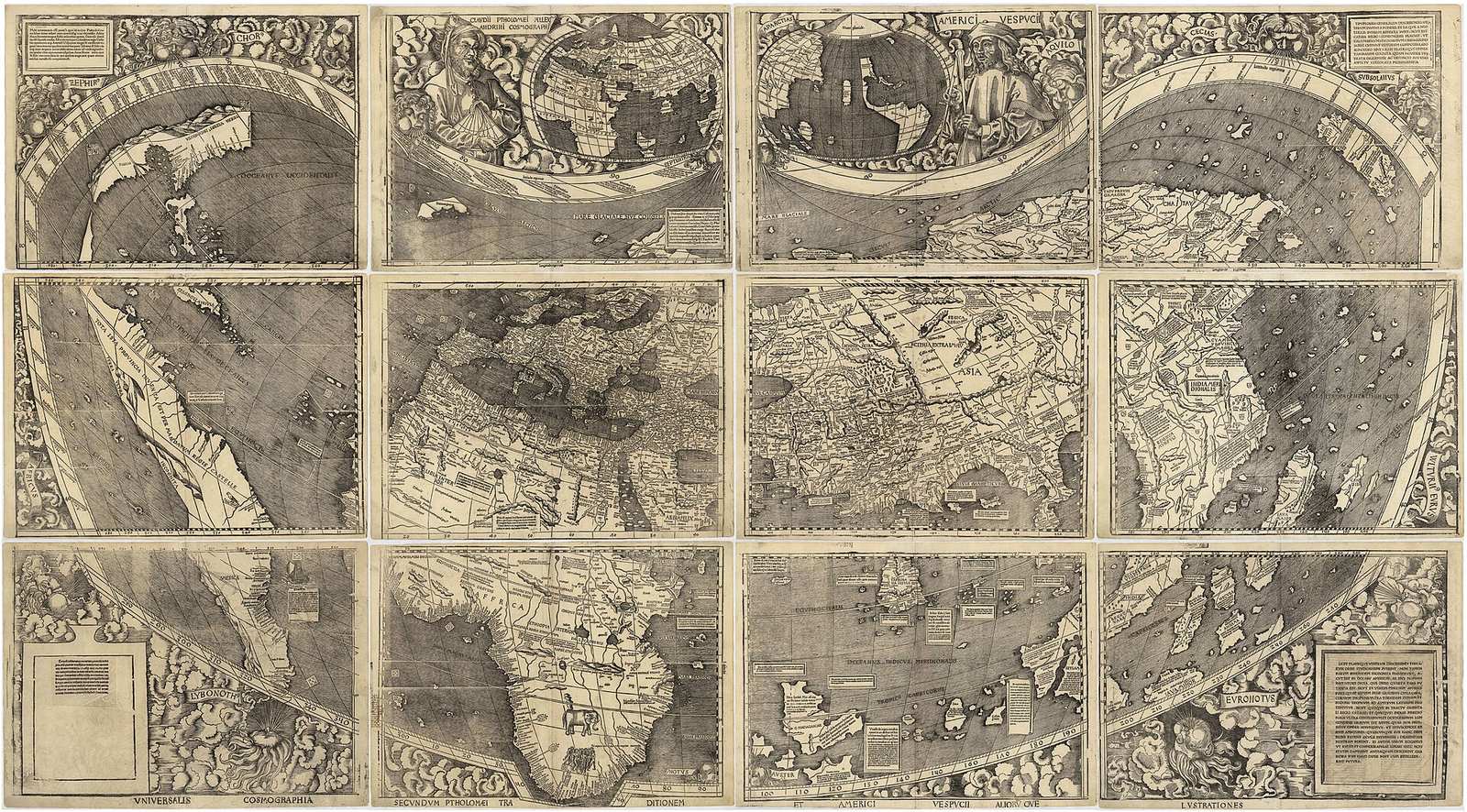
The Age of Exploration
Why European sailors crossed the Atlantic, who they met, what the Columbian Exchange changed, and how to think carefully about the word "discovery." For grades 3–6.
Upper elementary: homework research, middle-grade books, bigger projects and independence.
Why European sailors crossed the Atlantic, who they met, what the Columbian Exchange changed, and how to think carefully about the word "discovery." For grades 3–6.
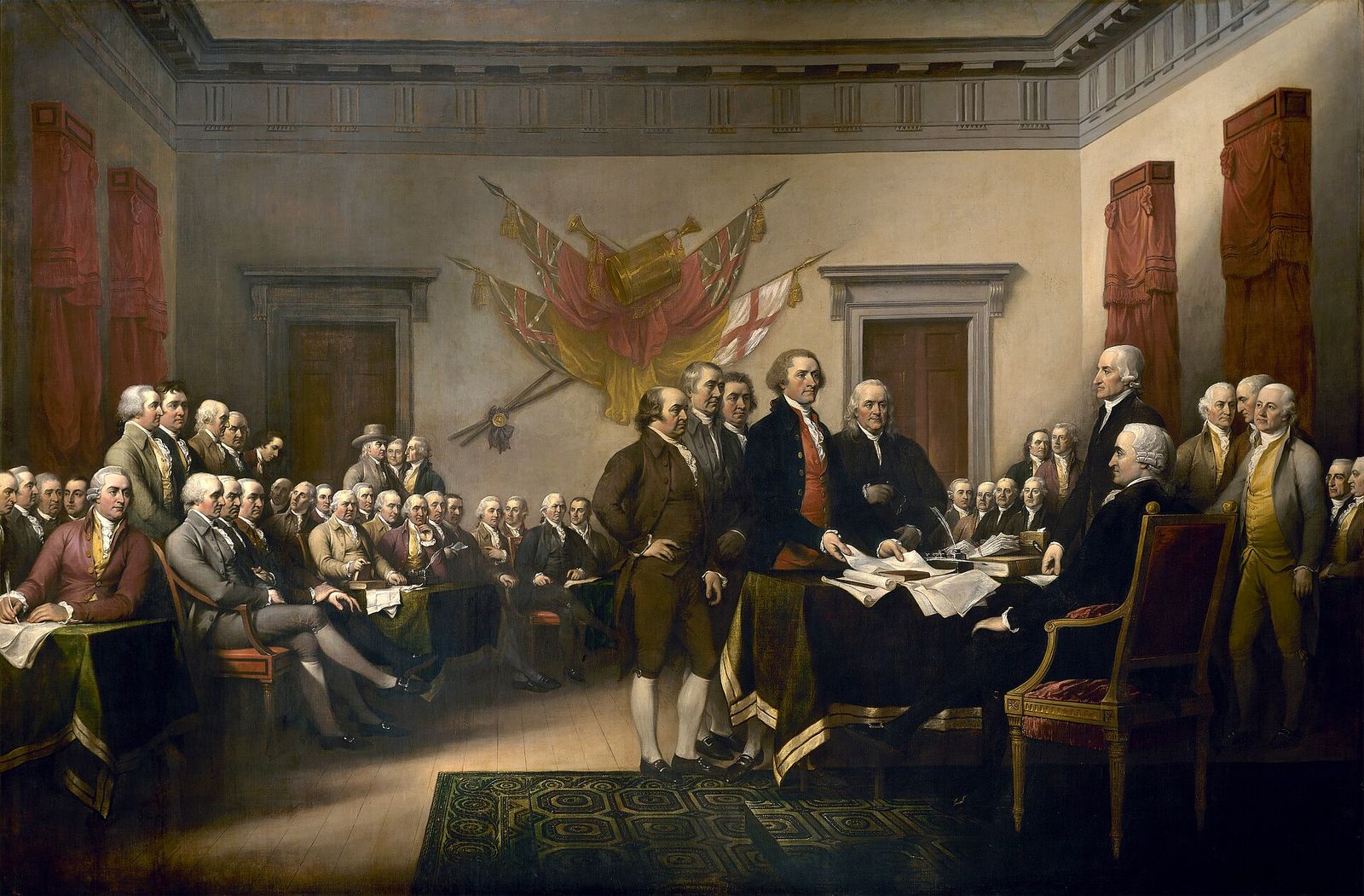
Why 13 British colonies broke away, the key events from 1763 to 1783, and the people whose stories are often left out. Written for grades 3–6.
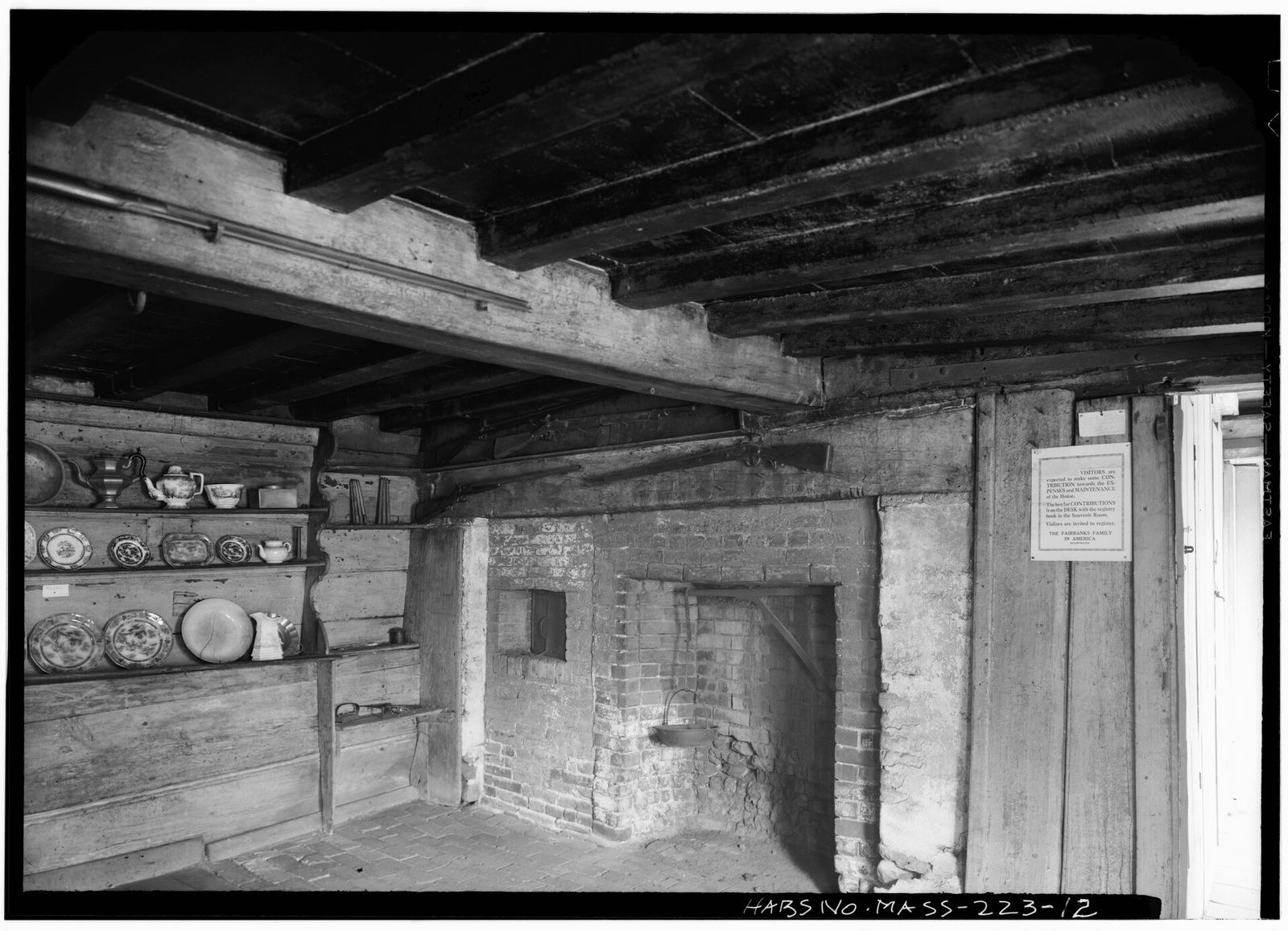
What daily life was like in the 13 British colonies: homes, work, school, food and faith by region, plus the lives of enslaved people, indentured servants and Indigenous neighbors.
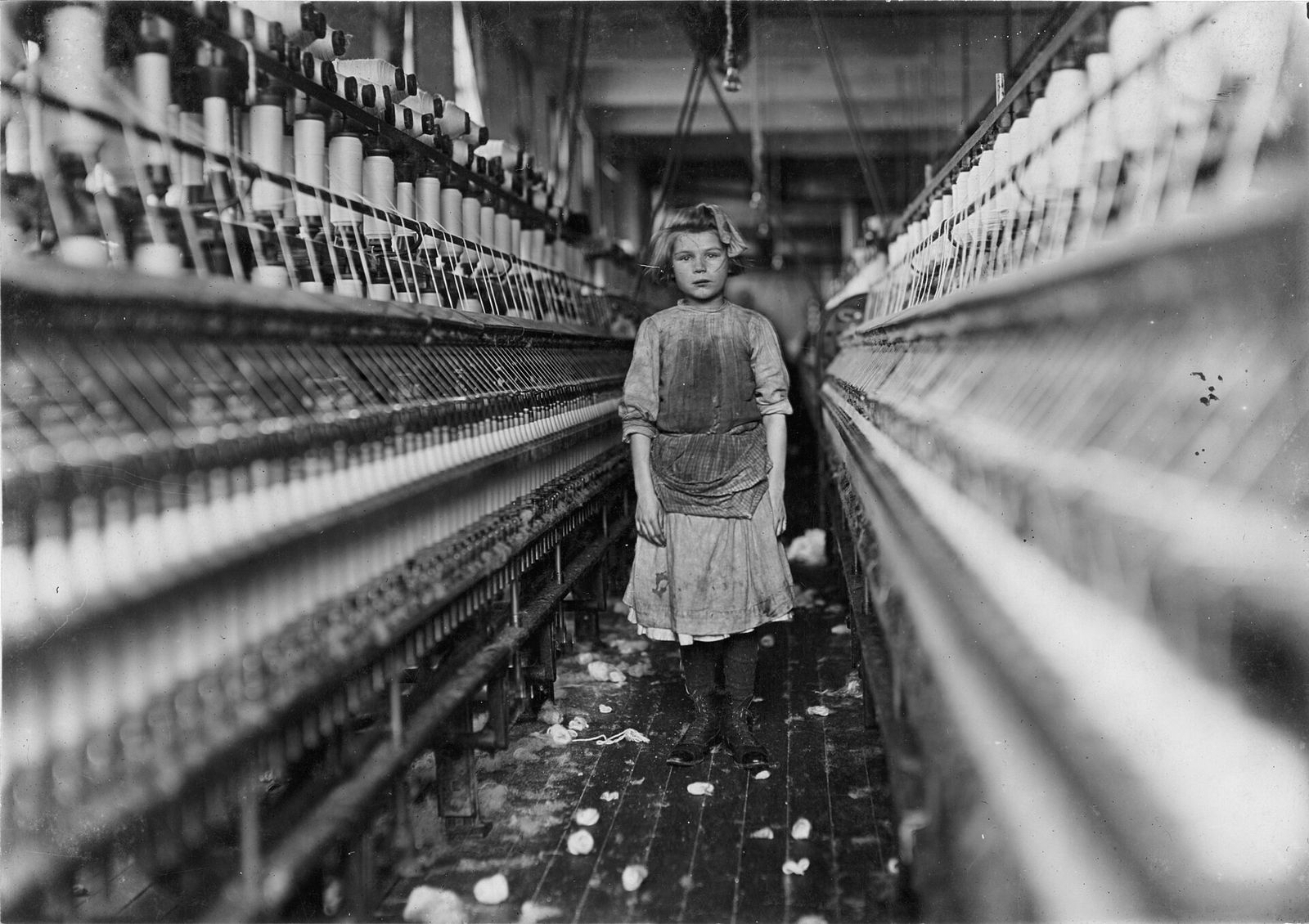
How factories, machines, railroads and the telegraph changed American life in the 1800s, and what it meant for workers, children, immigrants and enslaved people.
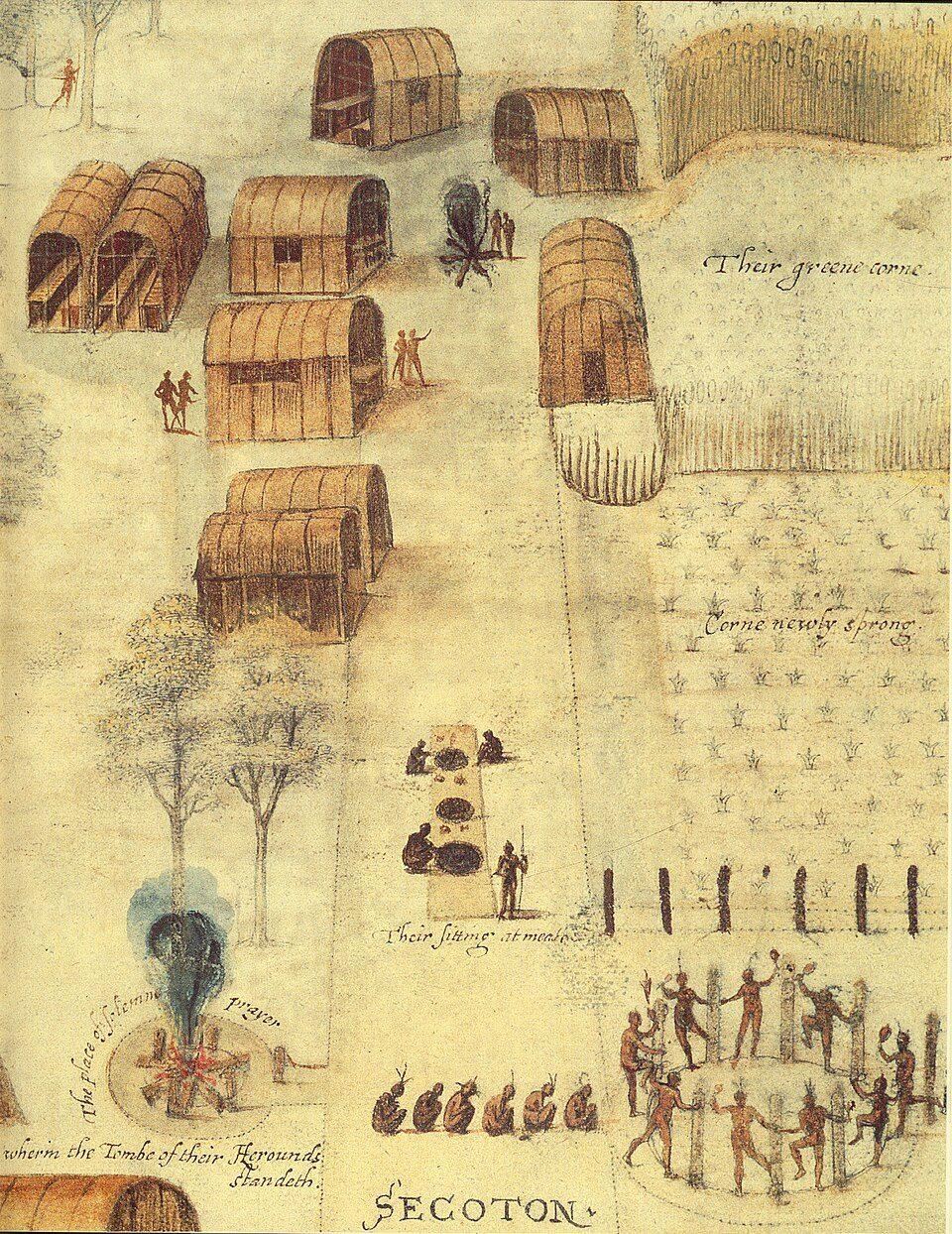
An introduction to the many distinct Native nations of what is now the United States: their governments, trade and farming, the effects of colonization, and tribal sovereignty today.
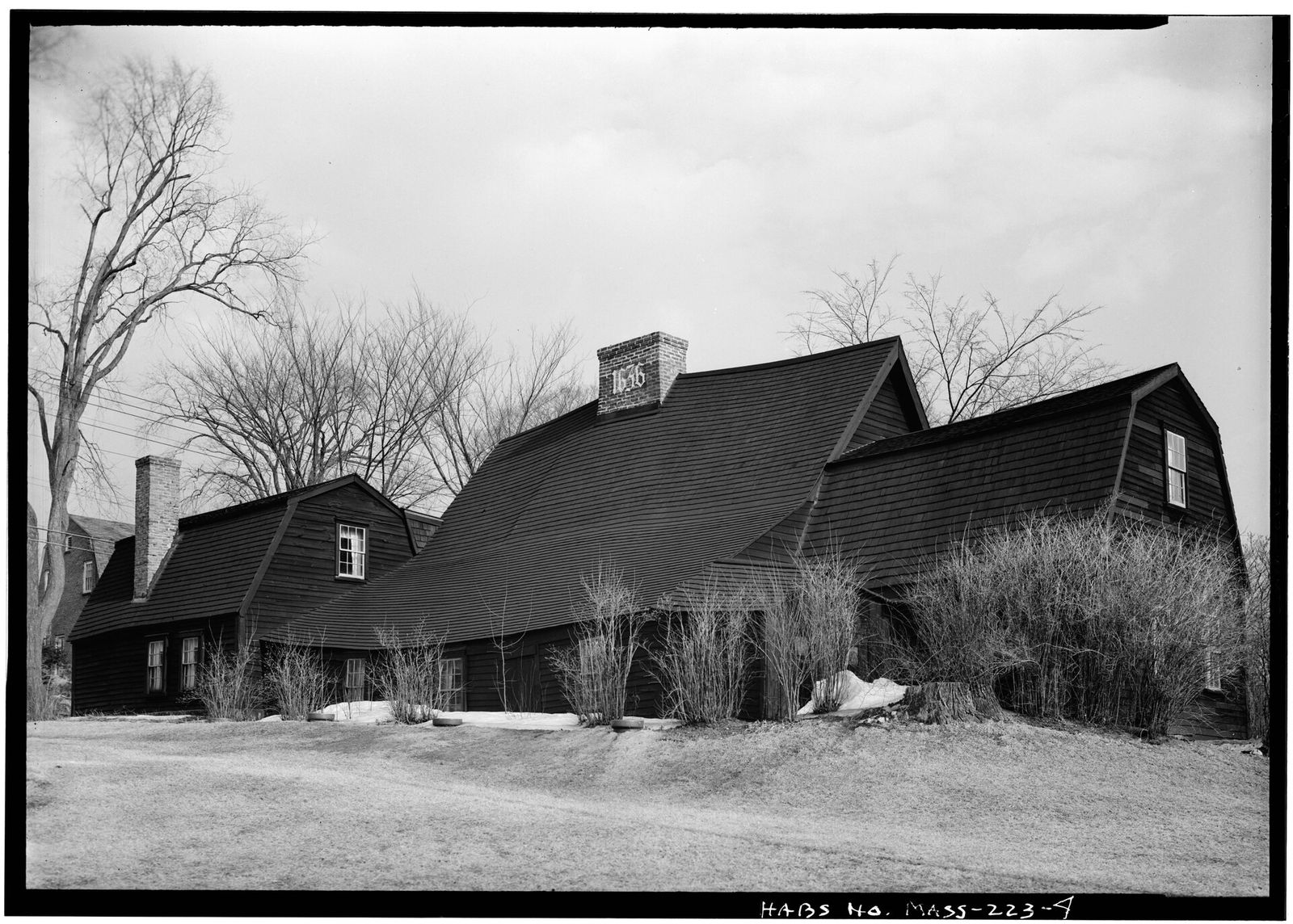
Massachusetts, Connecticut, Rhode Island and New Hampshire: geography, Puritan life, town meetings, trade, and the Native nations whose homelands the colonies were built on.
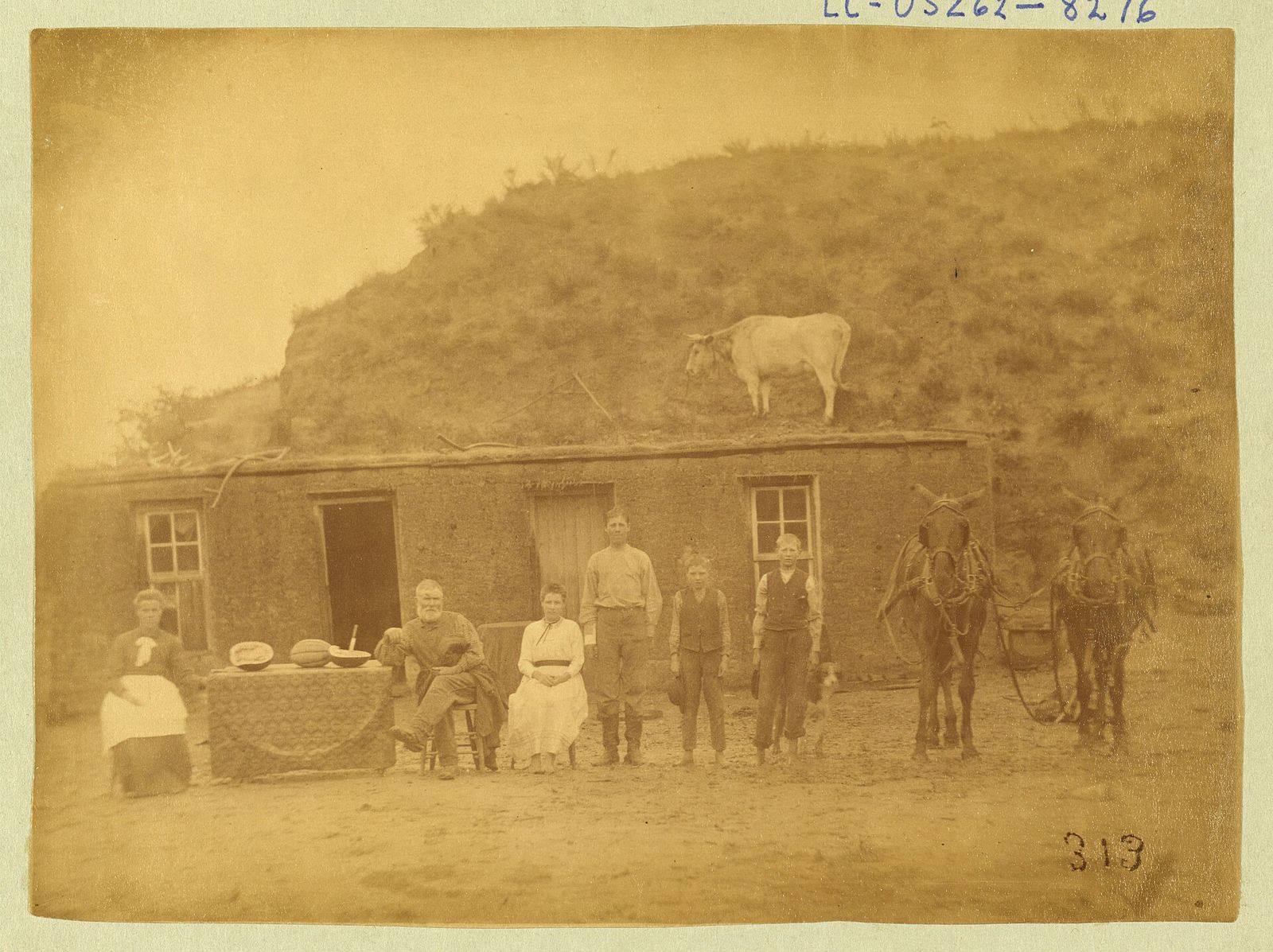
How the United States grew west from 1803 to 1890, seen through pioneers, Native nations, Mexican Americans, Black homesteaders and Chinese railroad workers.
Two siblings lay a path of rolled socks across the room and move together without stepping off it, passing socks forward as they go.
One sibling moves slowly and the other copies like a mirror; together they try to make the movement so smooth an adult can't tell who is leading.
Siblings work together to keep a balloon (or a soft paper ball for younger children) off the floor while counting their team total.
Siblings build one silly story together, one sentence at a time, and try to land a happy ending in exactly ten sentences.
Siblings design and build one shared blanket fort to a short 'client brief' from a parent, then give the client a tour.
Siblings carry 'stranded' stuffed animals from one end of the yard to safety using a towel stretcher they both have to hold.
Siblings invent a team handshake with exactly five moves, practice it, then teach it to a parent.
Siblings take turns adding household objects to one shared tower and try to reach ten items before it falls.
A tag game where being tagged doesn't knock you out: tagged players swap roles, so everyone keeps moving.
by Steve Jenkins · 2004
Cut-paper illustrations show animal parts at their real size, which turns measurement and comparison into something children can hold their hands up against.
Consider: Facts are brief; curious readers will want a library follow-up for more detail on individual animals.
by Beverly Cleary, illustrated by Louis Darling · 1955
An older sister's frustration with her younger sister is told honestly and with humor, including the idea that it is normal not to love a sibling every minute.
Consider: Written in the 1950s, so some family roles and details feel dated and may prompt questions.
by E. B. White, illustrated by Garth Williams · 1952
A spider's friendship with a pig is a classic family read-aloud that handles loyalty and loss with care and precise, beautiful language.
Consider: A main character dies near the end; younger or sensitive listeners may need time to talk about it.
by Grace Lin · 2006
Pacy, a Taiwanese American girl, looks for her talents and a true friend across one year, with family stories woven between everyday school moments.
Consider: The gentle, episodic structure suits steady readers more than children looking for a high-stakes plot.
by Cece Bell · 2014
A graphic memoir about growing up deaf and finding friends, drawn with humor, that gives readers an inside view of disability without turning the author into a lesson.
Consider: The graphic format reads quickly, but the friendship struggles are emotionally real; it still counts as substantial reading.
by Pam Muñoz Ryan · 2000
A wealthy girl's family flees Mexico for California farm labor camps during the Great Depression, a strong historical-fiction entry point to immigration and labor history.
Consider: Includes a parent's death, illness, deportation raids and labor unrest; best for readers ready for those subjects or as a shared read.
A practical guide to picking books children will actually read, from board books to middle grade, without getting stuck on reading levels.
What US toy age labels mean, the hazards to check for at each stage, and how to look up recalls before you buy.
Five short lessons on choosing books with your child, building a reading routine that lasts, talking about stories, keeping reading enjoyable, and keeping the habit alive during busy weeks.