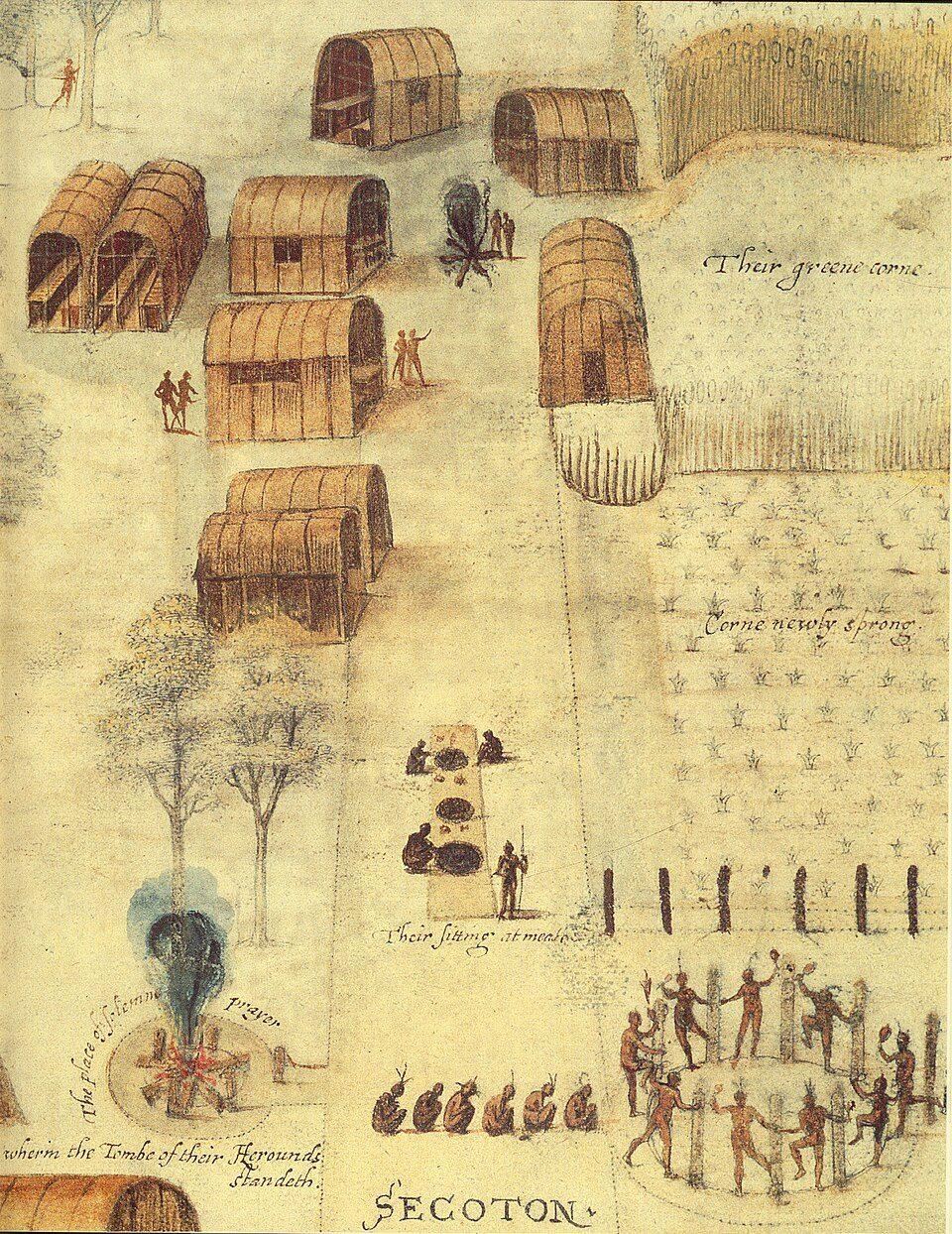
Indigenous Nations of North America
An introduction to the many distinct Native nations of what is now the United States: their governments, trade and farming, the effects of colonization, and tribal sovereignty today.
School-subject references, original family activities and book and toy guidance, researched from authoritative sources and checked by a human editor before we publish.
KidInfo began as a teacher-made homework directory. We are restoring its most-linked subjects with new, sourced writing, timelines, key words and printable prompts.
An introduction to the many distinct Native nations of what is now the United States: their governments, trade and farming, the effects of colonization, and tribal sovereignty today.
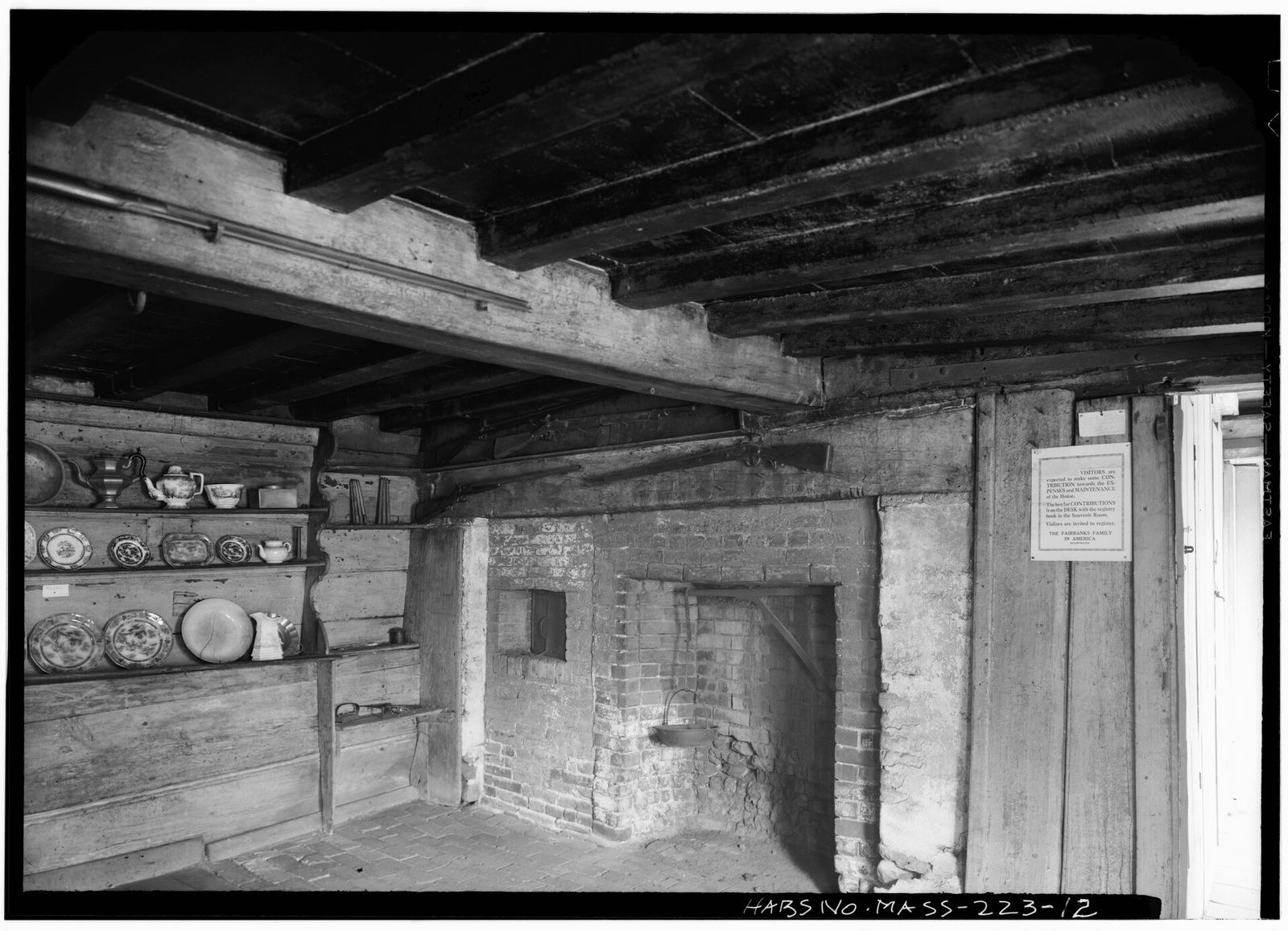
What daily life was like in the 13 British colonies: homes, work, school, food and faith by region, plus the lives of enslaved people, indentured servants and Indigenous neighbors.
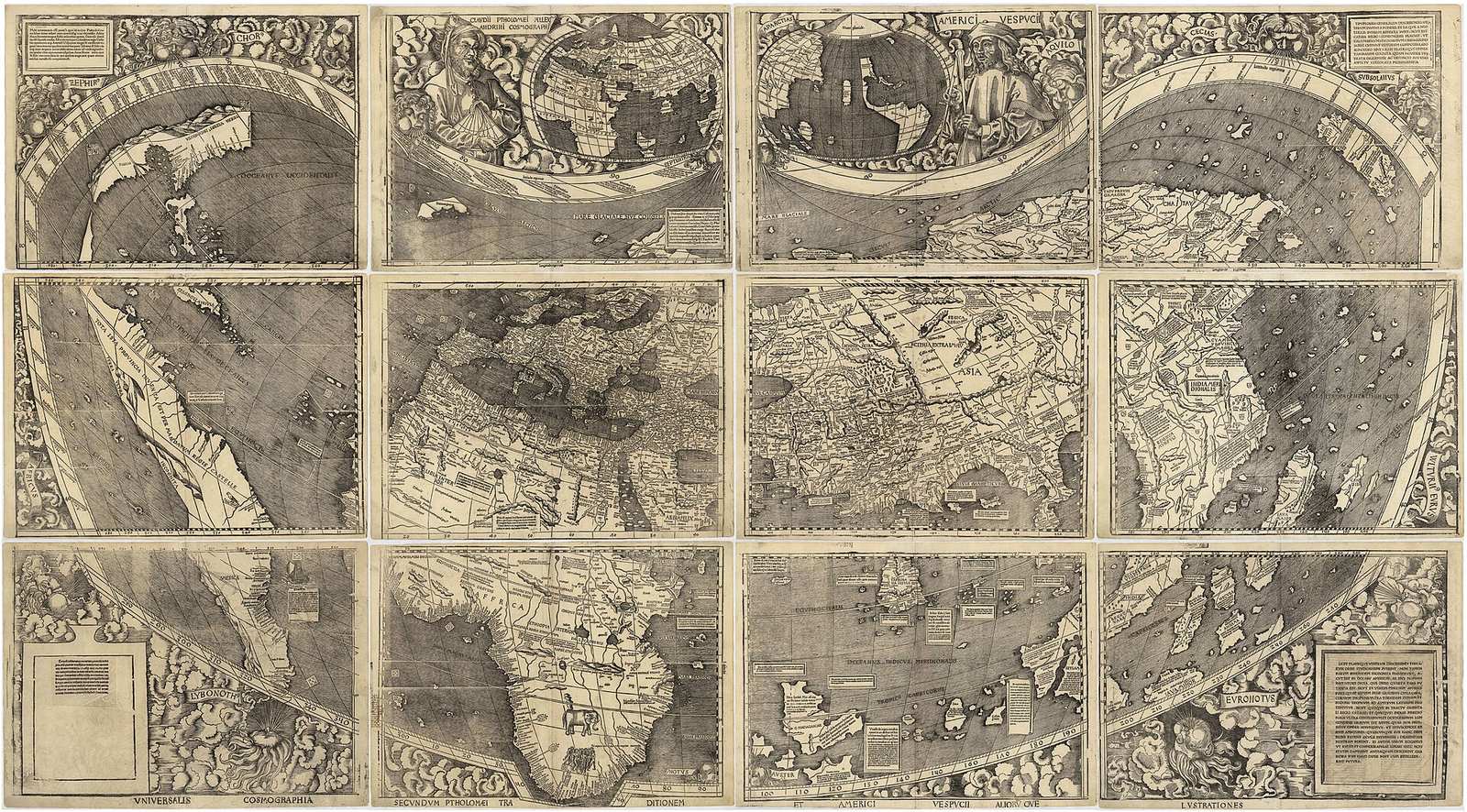
Why European sailors crossed the Atlantic, who they met, what the Columbian Exchange changed, and how to think carefully about the word "discovery." For grades 3–6.
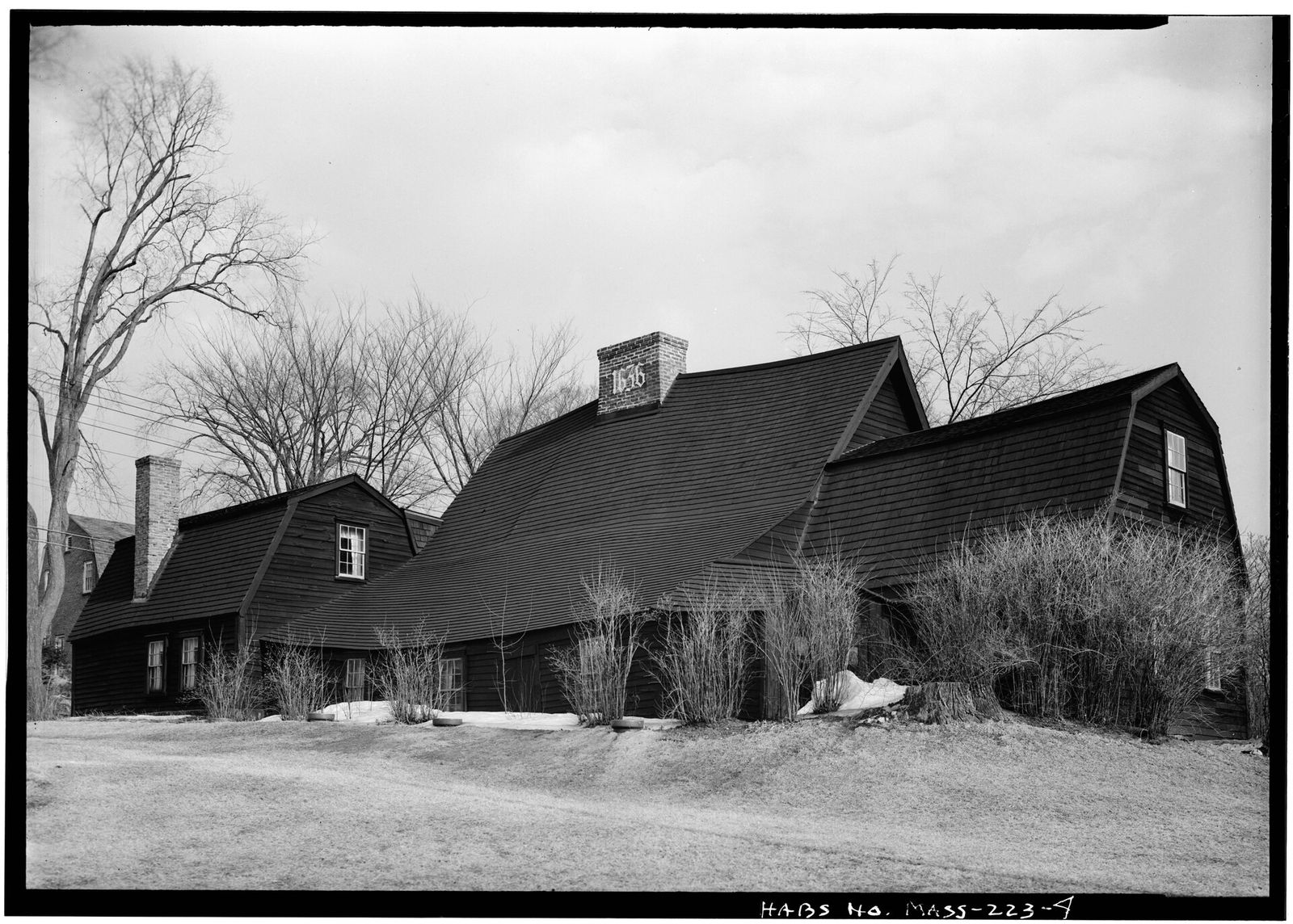
Massachusetts, Connecticut, Rhode Island and New Hampshire: geography, Puritan life, town meetings, trade, and the Native nations whose homelands the colonies were built on.
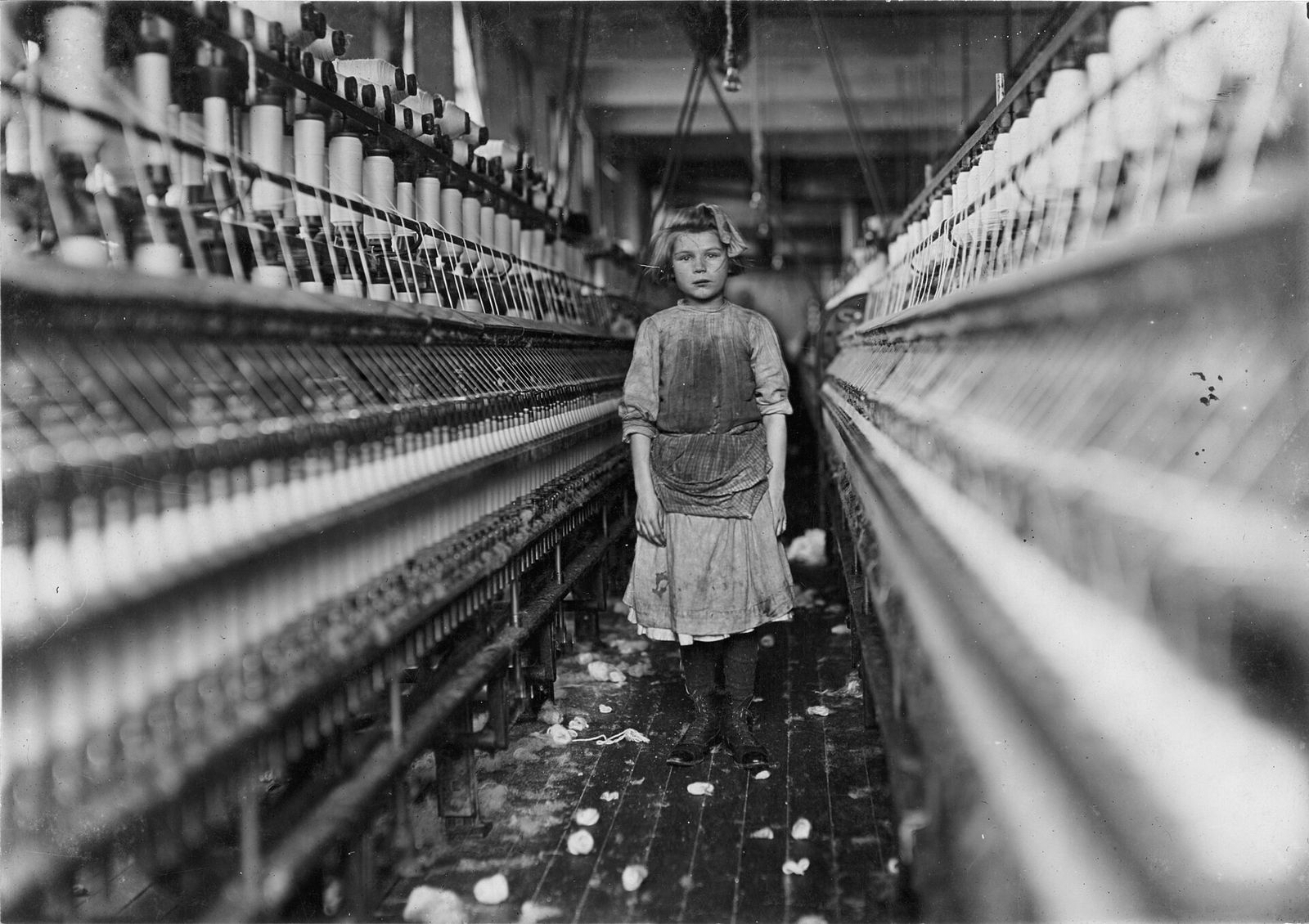
How factories, machines, railroads and the telegraph changed American life in the 1800s, and what it meant for workers, children, immigrants and enslaved people.
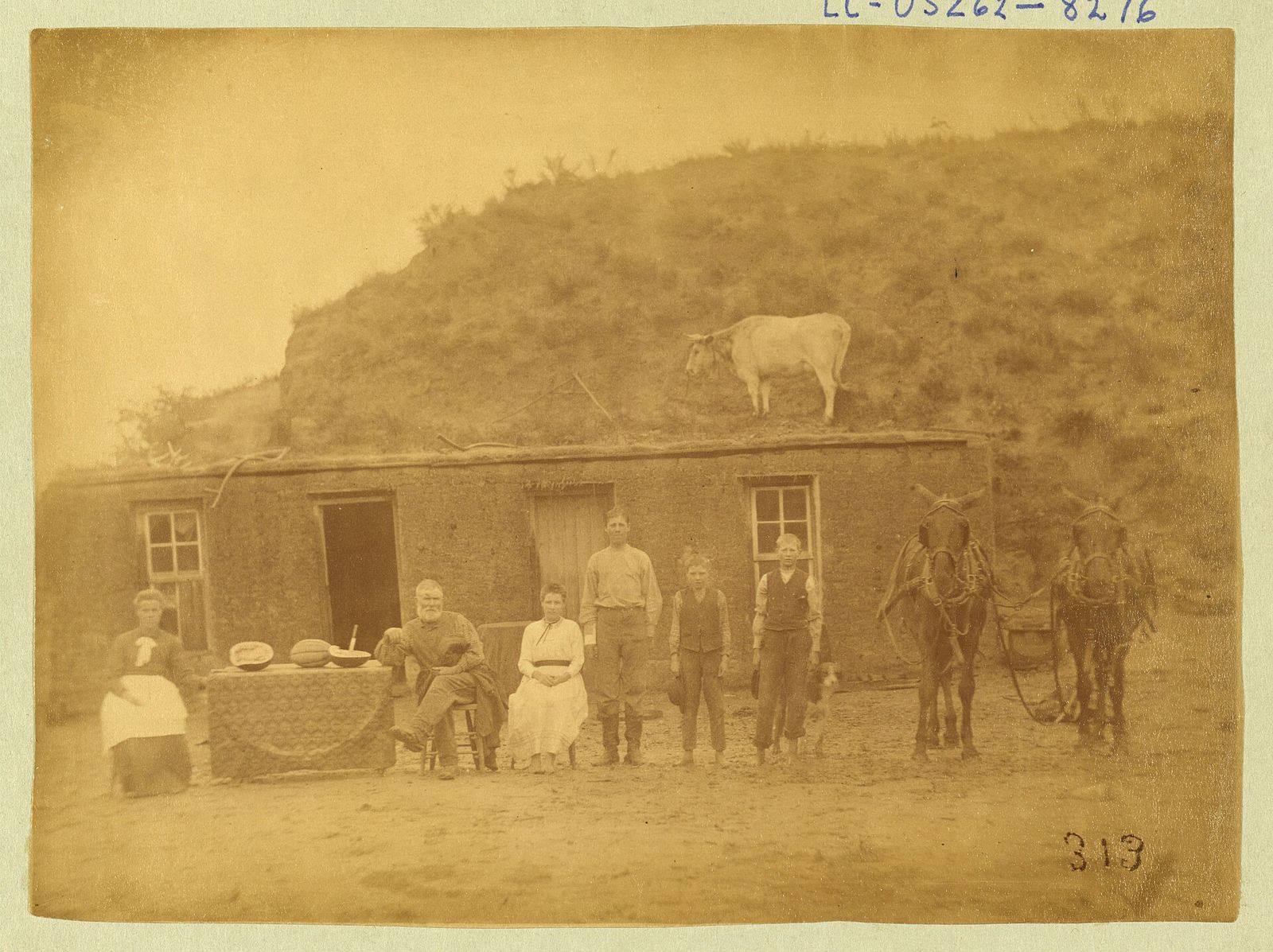
How the United States grew west from 1803 to 1890, seen through pioneers, Native nations, Mexican Americans, Black homesteaders and Chinese railroad workers.
Every activity lists ages, players, space, time, supervision and safety notes. Nothing to buy unless you want to.
Children use one sheet of paper, tape and coins to test bridge designs, learn why folding makes paper stronger, and practice a fair test. Ages 6–11.
A printable indoor scavenger hunt with 14 simple household finds for young children, plus setup tips, adaptations and safety rules for a rainy day.
Eight original, low-prep games where two siblings play on the same team. Ages roughly 5–10, with adaptations for wide age gaps and no equipment to buy.
Eight backyard games for ages 4–12 that need little or nothing to play, with player counts, space, weather, safety notes and ways to include every child.
We explain why a book or toy fits, who it may not suit and what we have and have not verified. No star ratings we can’t back up, and no paid rankings.
A practical guide to picking books children will actually read, from board books to middle grade, without getting stuck on reading levels.
What US toy age labels mean, the hazards to check for at each stage, and how to look up recalls before you buy.
Five short lessons on choosing books with your child, building a reading routine that lasts, talking about stories, keeping reading enjoyable, and keeping the habit alive during busy weeks.
Start the free courseSelf-guided. No account, no email required.