In one minute
- The 13 British colonies were founded between 1607 and 1732 and are often grouped into three regions: New England, the Middle Colonies and the Southern Colonies.
- Most colonists lived on farms. Work, food, homes and schooling depended a great deal on region, wealth, gender and whether a person was free.
- Enslaved Africans and their descendants lived in every colony. They were forced to work without pay, and they resisted in many ways while building families and communities.
- Many poorer Europeans came as indentured servants, working for several years to pay for their voyage.
- Colonies were built on the homelands of Indigenous nations, who traded with, fought, taught and lived alongside colonists.
The 13 colonies
Between 1607 and 1732, England (later Great Britain) set up 13 colonies along the Atlantic coast. Historians often group them into three regions:
- New England: Massachusetts, New Hampshire, Connecticut and Rhode Island
- Middle Colonies: New York, New Jersey, Pennsylvania and Delaware
- Southern Colonies: Maryland, Virginia, North Carolina, South Carolina and Georgia
Every colony was built on the homeland of Indigenous nations. The Powhatan, Wampanoag, Lenape, Haudenosaunee, Cherokee, Catawba and many others were already living, farming and governing there.
Homes, food and work by region
Most colonists lived on farms, and most families grew or made much of what they needed. But the land and climate were different in each region, and so was daily life.
New England
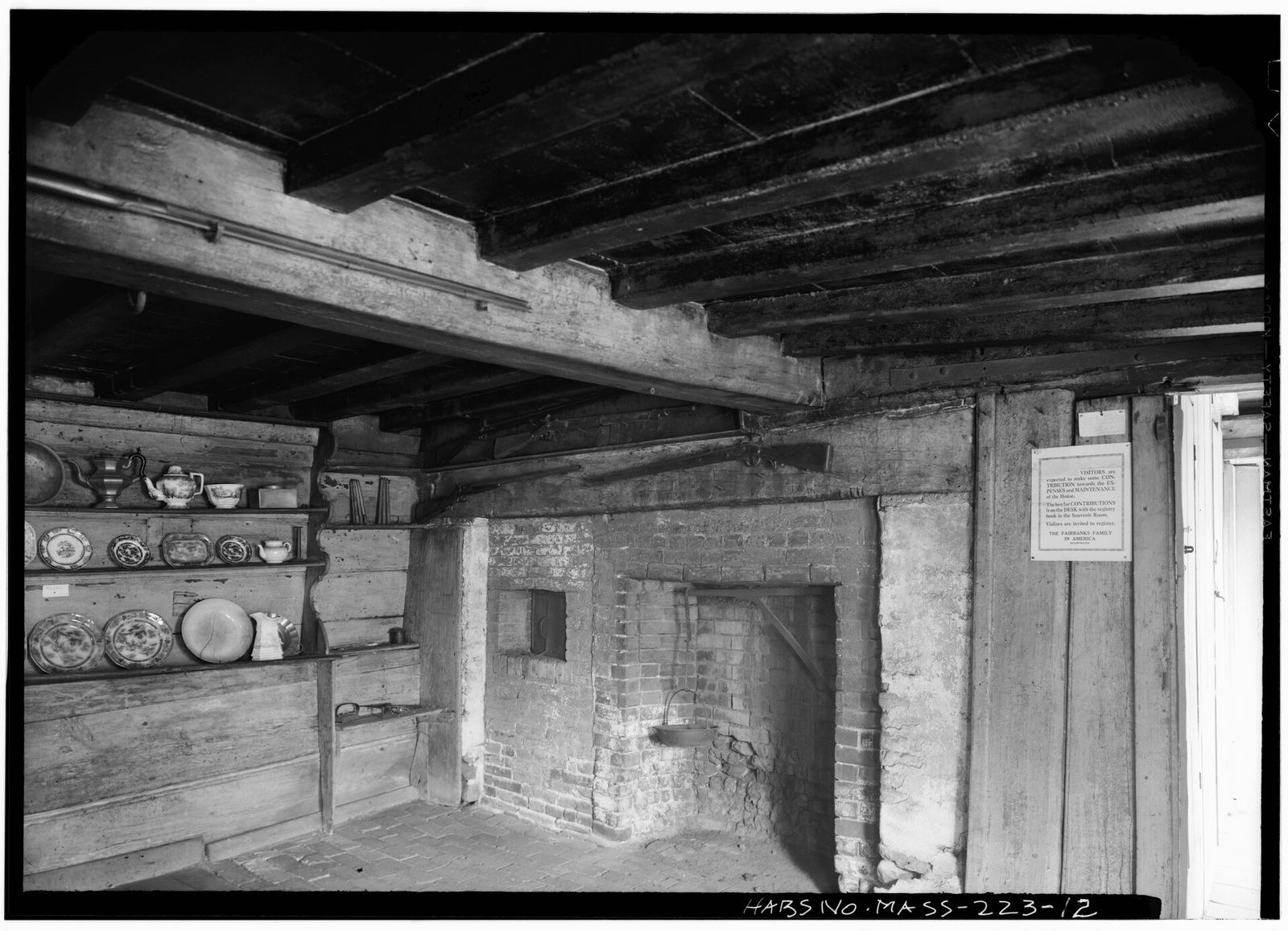
New England had rocky soil, thick forests and long, cold winters. Families farmed small plots and grew corn, beans, squash and wheat, often using methods learned from Indigenous neighbors. Many people also fished, built ships, cut timber or worked in trades. Towns grew up around a meetinghouse used for church services and town meetings. Homes were usually wooden, with a large central fireplace for cooking and heat.
Middle Colonies
The Middle Colonies had richer soil and a milder climate. Farms grew so much wheat, barley and oats that the region was nicknamed the “breadbasket” colonies. Cities like Philadelphia and New York became busy ports. People from many backgrounds lived here, including English, Dutch, German, Swedish and Scots-Irish families, along with free and enslaved Africans.
Southern Colonies
The South had a long growing season and warm weather. Many families ran small farms, but wealthy planters owned large plantations that grew cash crops such as tobacco in Virginia and Maryland and rice and indigo in South Carolina and Georgia. These plantations depended on the forced labor of enslaved Africans. Towns were fewer and farther apart.
School and childhood
Children in colonial America worked from a young age. Girls usually learned cooking, sewing, spinning and caring for younger children. Boys often worked in fields or learned a trade. Some boys became apprentices, living with a craftsperson for years to learn skills like printing or blacksmithing.
Schooling depended on where you lived and how much money your family had. Massachusetts passed a law in 1647 requiring larger towns to set up schools so children could learn to read. Young children often learned letters from a hornbook. In the South, where people lived farther apart, wealthy families hired tutors, while many other children had little schooling. Girls were often taught less than boys. In many colonies it was illegal or strongly discouraged to teach enslaved people to read, yet some learned anyway, often in secret.
Faith and community
Religion was central to many colonists’ lives. Puritans in Massachusetts wanted their communities to follow their beliefs closely. Rhode Island, founded by Roger Williams, and Pennsylvania, founded by the Quaker William Penn, were known for allowing more religious freedom. Maryland was founded partly as a refuge for English Catholics. Jewish communities formed in port cities like Newport and New York. Enslaved Africans brought their own beliefs and traditions, and over time many blended them with Christianity.
Enslaved people’s lives and resistance
Slavery was legal in all 13 colonies. In 1619, the first recorded Africans were brought to English Virginia by force. Over the next century, slavery grew, especially in the South, and colonies passed laws making slavery last for life and pass from mother to child.
Enslaved people worked in fields, homes, workshops and on ships, without pay and without freedom. Many West Africans brought knowledge of growing rice, which helped make rice plantations in South Carolina and Georgia profitable. Families could be separated by sale at any time.
Enslaved people resisted in many ways. They kept their languages, music, stories and beliefs alive. They slowed down work, broke tools, and ran away. Some rose up in open revolt, such as the Stono Rebellion in South Carolina in 1739. The Gullah Geechee people of the coastal Southeast still keep many traditions that began in this period.
Indentured servants
Many poor people from England, Scotland, Ireland and Germany could not afford the trip across the Atlantic. They signed an agreement to work for a set number of years, often four to seven, in exchange for their passage, food and shelter. These indentured servants could not leave or marry without permission. At the end of their service, they were free. This is a key difference from slavery, which had no end and was passed to children.
Indigenous neighbors
Colonists and Indigenous nations traded goods like furs, corn, cloth and metal tools. Indigenous people taught colonists which plants to grow and how to survive local winters. At the same time, colonists kept taking more land, and disease and wars devastated many Native communities. Some Native people were also enslaved by colonists. Indigenous nations used diplomacy, trade, alliances and war to protect their people and homelands.
A day in colonial life
| New England farm child | Philadelphia apprentice | Southern plantation | |
|---|---|---|---|
| Morning | Fetch water, feed animals, help light the fire | Open the shop, sweep, prepare tools | Enslaved workers begin field work at sunrise |
| Midday | Work in the fields or garden; short lessons if school is open | Learn the trade by watching and practicing | Long hours of hard labor in tobacco or rice fields |
| Evening | Spin, sew, mend tools by firelight | Eat with the master’s family; sleep in the shop or house | Tend family gardens, cook, share stories and music in quarters |
| Learning | Hornbook and Bible reading | Reading, writing and numbers for business | Often forbidden to learn to read |
How to use this page for homework
- Use the region sections to compare and contrast, a common assignment for this topic.
- Make sure to explain how life was different depending on who you were, not just where you lived.
- Use the “A day in colonial life” table as a starting point, then add details from one of the sources listed below.
- Use the glossary terms correctly. For example, indentured servants and enslaved people are not the same.
Timeline
- 1607English colonists found Jamestown in Virginia, on land of the Powhatan paramount chiefdom.
- 1619The first recorded Africans arrive in English Virginia, brought by force. Virginia's first elected assembly also meets.
- 1620The Mayflower passengers found Plymouth Colony in Wampanoag homeland.
- 1630Puritans found the Massachusetts Bay Colony and the town of Boston.
- 1636Harvard College is founded in Massachusetts, the first college in the English colonies.
- 1647Massachusetts passes a law requiring larger towns to set up schools.
- 1664England takes control of New Netherland from the Dutch and renames it New York.
- 1681William Penn receives a charter for Pennsylvania, which becomes known for religious tolerance.
- 1690Publick Occurrences, an early colonial newspaper, is printed in Boston and quickly shut down.
- 1732Georgia is founded, the last of the 13 British colonies.
- 1739The Stono Rebellion: enslaved people in South Carolina rise up and try to reach freedom in Spanish Florida.
Key words
- Colonist
- A person who settles in a colony or is born there.
- Indentured servant
- A person who agreed to work for someone for a set number of years, often to pay for the trip to America.
- Slavery
- A system in which people are treated as property and forced to work without pay or freedom.
- Plantation
- A very large farm, usually growing one main crop for sale and relying on enslaved workers.
- Apprentice
- A young person who lives and works with a skilled craftsperson to learn a trade.
- Hornbook
- A paddle-shaped board with a printed lesson, like the alphabet, covered by a thin clear layer of animal horn.
- Cash crop
- A crop grown mainly to sell, such as tobacco or rice.
- Puritan
- A member of a Protestant group that wanted to make the Church of England simpler and stricter.
- Quaker
- A member of the Religious Society of Friends, a Christian group known for believing in peace and equality before God.
- Artisan
- A skilled worker who makes things by hand, such as a blacksmith, cooper or silversmith.
Think and write
Printable version- Compare a child's day on a New England farm with a child's day on a Southern plantation. List three differences.
- Why did geography and climate lead each region to grow different crops and do different kinds of work?
- What is the difference between an indentured servant and an enslaved person? Why does that difference matter?
- Name two ways enslaved people resisted slavery. Why might some forms of resistance be hidden in historical records?
- How did Indigenous knowledge help colonists survive? What did colonists take from Indigenous nations?
- Look at a picture of a hornbook or a colonial schoolroom. What is similar to and different from your school?
- If you could interview one person from this page, who would it be? Write three questions.
Sources and further reading
- Jamestown: History and Culture (opens in a new tab) — National Park Service, Historic Jamestowne
- African Americans at Jamestown (opens in a new tab) — National Park Service, Historic Jamestowne
- Religion and the Founding of the American Republic: America as a Religious Refuge (opens in a new tab) — Library of Congress
- Saugus Iron Works National Historic Site (opens in a new tab) — National Park Service
- Gullah Geechee Cultural Heritage Corridor (opens in a new tab) — National Park Service
- Homework Help (opens in a new tab) — Plimoth Patuxet Museums
- Colonial Williamsburg: Learn (opens in a new tab) — Colonial Williamsburg FoundationBot-blocked (403) during automated check on 2026-11-10.
- Thirteen colonies (opens in a new tab) — Encyclopaedia BritannicaBot-blocked (403) during automated check on 2026-11-10.
Links to outside organizations are for reference. They do not imply that those organizations endorse KidInfo.
Citing this page for school? Use: KidInfo Editorial. “Life in Colonial America.” KidInfo, updated 2026-11-10. https://kidinfo.com/learn/american-history/colonial-life/